
Home › Repair & Restore › Paver Restoration
Brick Paver Restoration
Sunken, weedy and faded pavers lifted, releveled, cleaned, re-sanded and sealed, usually for much less than replacing them. Serving Metro Detroit and Southeast Michigan.

Brick & mortar matching
Free written estimates
Satisfaction guarantee
Financing through Synchrony
Family-owned & insured
Quick answer
What does brick paver restoration from Mortar City Masonry include?
Our brick paver restoration covers releveling sunken pavers, replacing broken ones, re-sanding joints, cleaning and sealing. Mortar City Masonry is family-owned, licensed and insured, with more than 20 years of experience and offices in Royal Oak, Northville and Roseville serving Oakland, Macomb and Wayne counties. Every job starts with a free, itemized written estimate; call (586) 533-1305 or send photos for a same-day callback, Monday to Friday.
Mortar City Masonry restores sunken, weedy and faded paver driveways, patios and walkways across Macomb, Oakland and Wayne counties. We relevel, replace broken pavers, clean, re-sand and seal.
Most paver problems start underneath. When the base settles or the joint sand washes out, pavers sink, shift and let weeds in. We fix the cause first so the surface stays flat after we leave, then bring back the look with a deep clean and fresh joint sand.
We restore clay brick and concrete pavers on driveways, patios, walkways, pool decks and front steps. If part of the job is past saving, we show you which sections and price restoring and replacing side by side.
- Releveling of sunken and uneven areas
- Matching replacements for cracked pavers
- Cleaning, polymeric joint sand and optional sealing


20+years of masonry
4.6–4.8★235 Google reviews
3local offices
Not sure what it needs?
Send a photo with your estimate request. We call back the same business day.
Signs your pavers need restoring
Pavers rarely fail all at once. These are the early signs we look for on Metro Detroit driveways and patios after a few winters.
Sunken or uneven spots
Low areas that hold water or catch a toe, usually from base settling or a washed-out edge.
Weeds and moss in the joints
The joint sand has washed out, so weeds, moss and ants move in and push the pavers apart.
Faded or stained surface
Sun, road salt, oil and tire marks dull the color. Concrete pavers fade faster than clay brick, which is colored all the way through.
Spreading or loose edges
Pavers creep outward when the edge restraint fails, opening gaps along the border.
Cracked or broken pavers
Single pavers are swapped for matching ones instead of patched with mortar or caulk.
Water running toward the house
The surface has lost its slope. Releveling sends water away from the foundation again.
Restore or replace?
Pavers are made to be lifted and reset, so most tired driveways and patios can be saved. We check the base, the edges and the pavers themselves, then tell you plainly which way makes more sense.
Restoring usually makes sense when
- Most pavers are whole and only a few are cracked
- Low spots are local, not across the whole surface
- The base drains and the edges can be rebuilt
- You like the pattern and color you have
Replacing may be the better value when
- Many pavers are crumbling or badly spalled
- The base was never built right and is failing everywhere
- The style is discontinued and can’t be matched
- You want a new layout, size or material anyway
Not sure which you have? Send a few photos and we’ll tell you before anyone visits. See also paver restoration vs. new pavers and new brick paving.
How we restore brick pavers
Four steps, done in this order so the fix lasts.
1. Inspect & estimate
We check the base, edges, slope and pavers and give you a free written estimate.
2. Lift & relevel
Sunken sections are lifted, the base is regraded and compacted, and the pavers are reset.
3. Replace & clean
Broken pavers are replaced with matching ones and the surface is washed clean of dirt, moss and stains.
4. Re-sand & seal
Joints are refilled with fresh sand. Sealing is optional; we explain the pros and cons for your surface.
Should you seal your pavers?
Sealing is optional. A good sealer helps lock in joint sand, makes oil and food stains easier to clean, and can deepen faded color. It also needs reapplying every few years, and a cheap or badly applied sealer can look blotchy or slippery.
Clay brick pavers often look fine unsealed because their color runs all the way through. Concrete pavers in a sunny driveway are where a sealer helps most. We’ll give you an honest recommendation for your surface, and you can read more in the benefits of sealing brick pavers.
Keeping pavers looking good
- Sweep joint sand back into gaps each spring
- Rinse with a garden hose or low-pressure washer; high pressure blows out joint sand
- Clean up oil and grease spills quickly
- Use a plastic shovel blade and go easy on rock salt in winter
- Call early when you spot a low spot or loose edge
More tips: stopping weeds between pavers, how to clean brick paving and restoring color on faded pavers.
Paver care guides
Straight answers to the questions homeowners ask us most, from the Mortar City Masonry blog.
More reading: How to make pavers look new again · Spring cleanup for brick surfaces
Rated by Metro Detroit homeowners on Google
235 Google reviews across our three offices. Read what neighbors say, then call for your own free estimate.
4.8on Google
Roseville office
75 Google reviews · 26600 Gratiot Ave
Read Roseville reviews on Google →4.6on Google
Northville office
57 Google reviews · 235 E Main St #105B
Read Northville reviews on Google →Before & after: real Mortar City projects
See all projects →Our own job photos, taken on site before we started and after we finished.
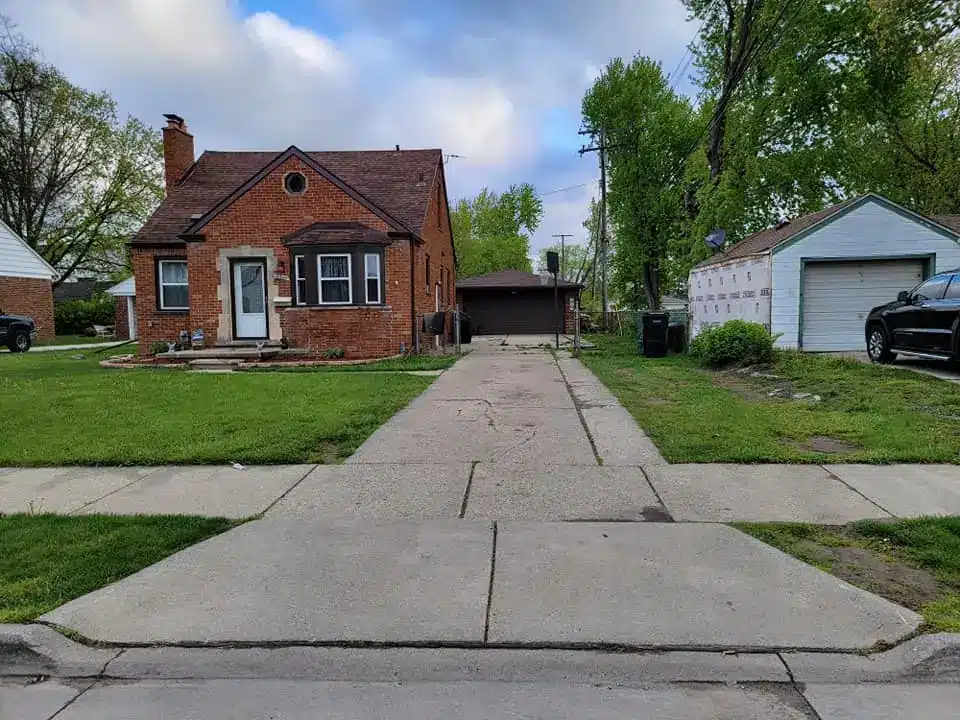 Before
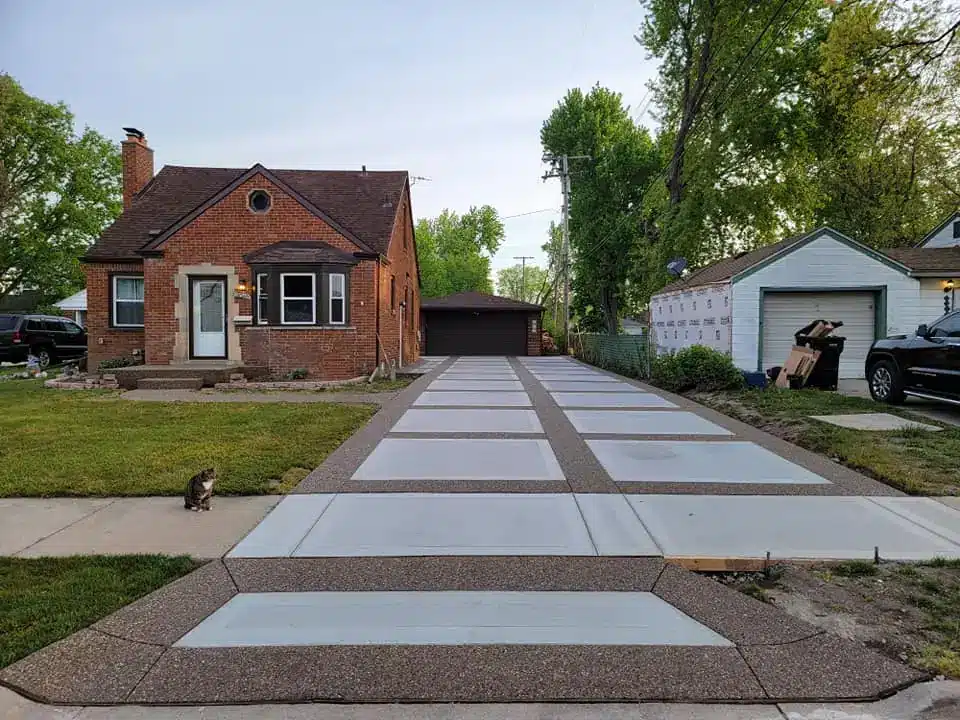 After


Get a free estimate
The fastest way is a call. Or send a photo and we’ll call you back the same business day.
-
1
Call or send a photo
Same-day callback, Monday to Friday. -
2
Free on-site estimate
A written price, with no pressure. -
3
We match and build
Brick, mortar and pavers matched to your home.
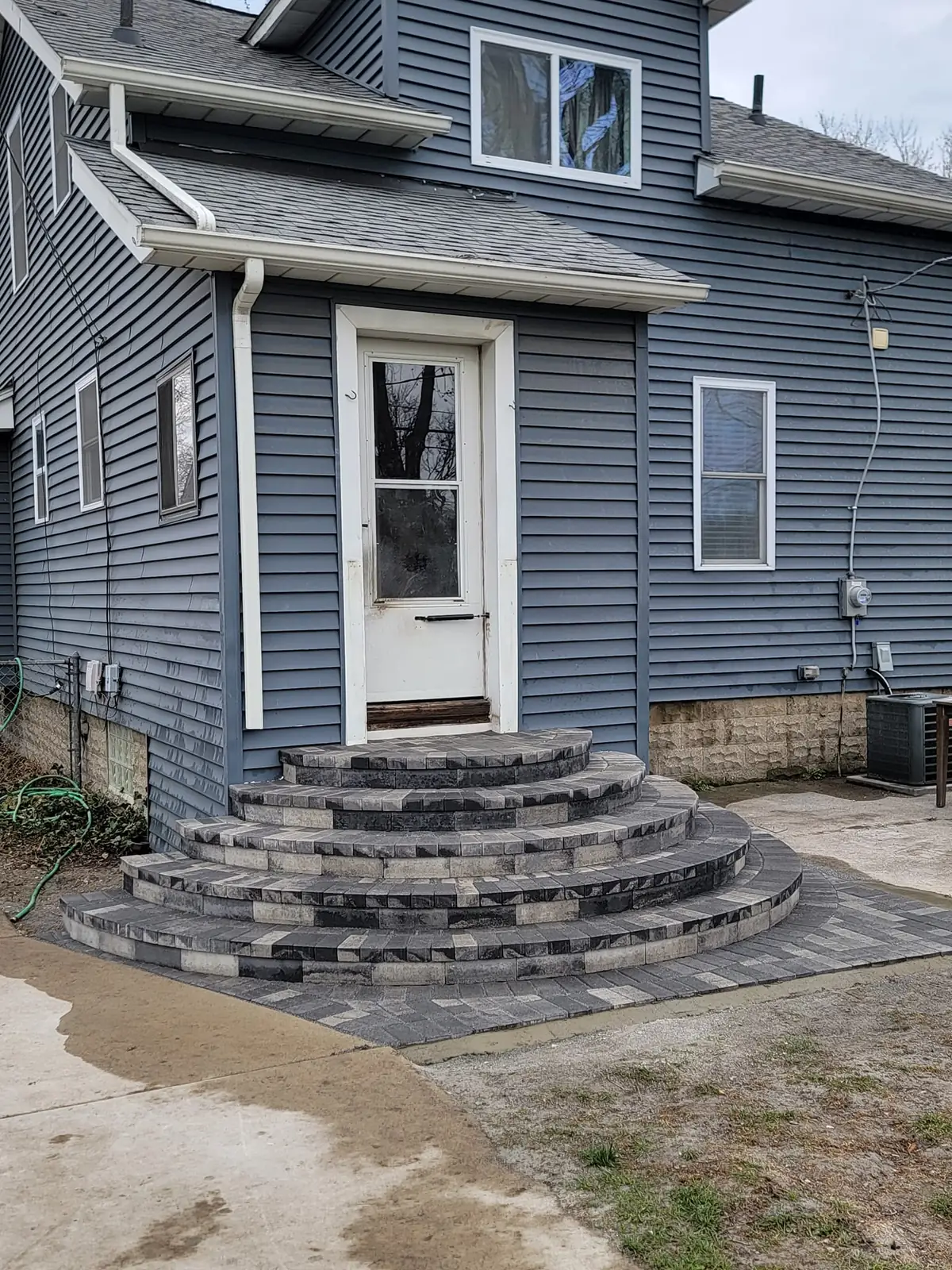
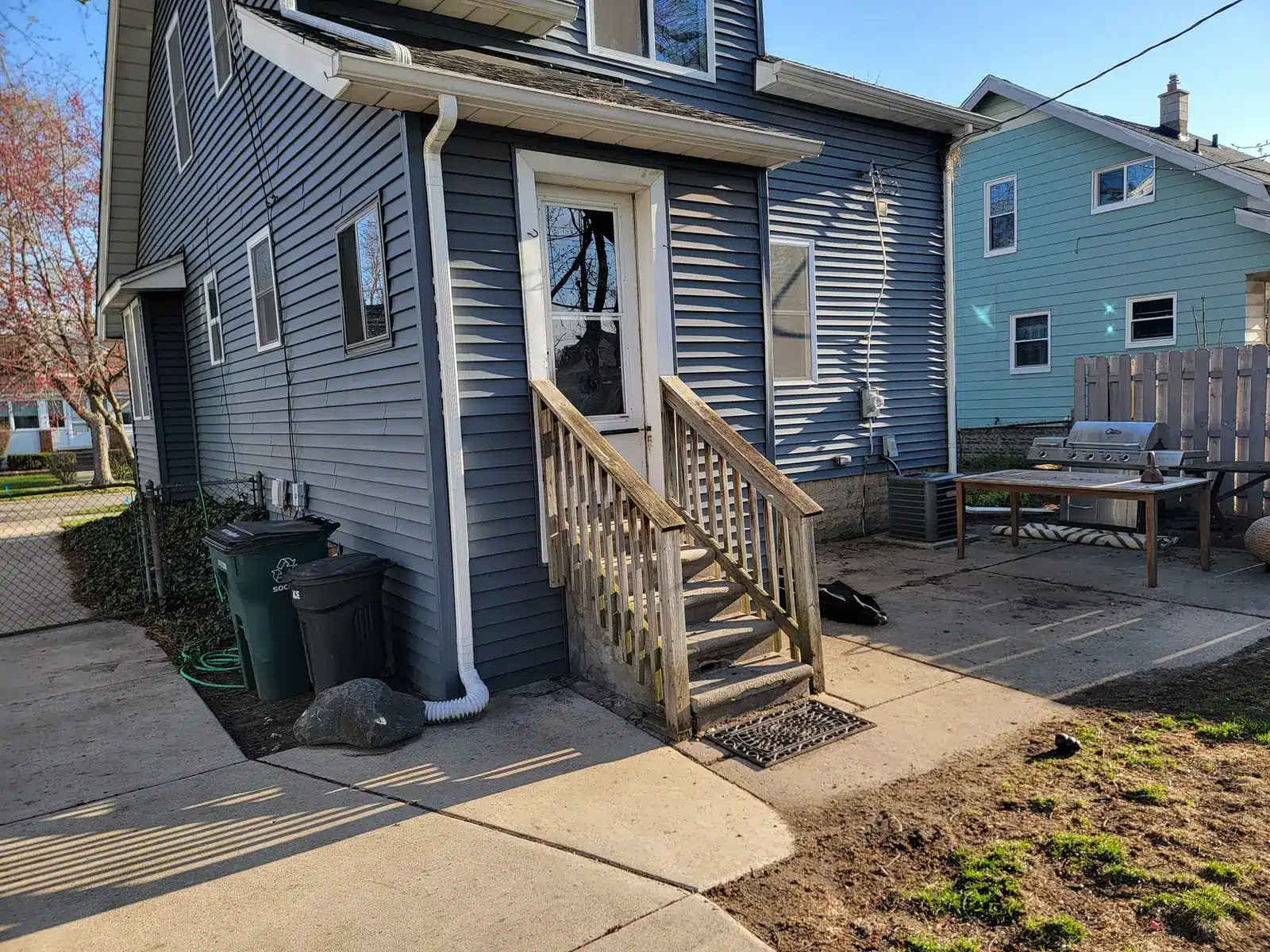
Before
After
Ferndale, MI
Tell us about your project
A photo of the area helps us price it. We call back the same business day.
- 235 Google reviews
- Licensed & insured
- Free written estimates
- Satisfaction guarantee
Your details go only to Mortar City Masonry. No spam, ever.
How much does paver restoration cost?
It depends on the size of the area, how much needs releveling, how many pavers need replacing and whether you want it sealed. We give you a free, itemized estimate after seeing the surface or your photos. Restoring is usually much less than tearing out and replacing.
Can you match my existing pavers?
Often, yes. Many common paver styles are still made. When an exact match isn’t available, we can borrow pavers from a hidden spot, such as under a grill or along a side yard, use them where they show, and put new ones where they don’t.
Will my pavers look new after cleaning?
Cleaning removes dirt, moss and most stains, and fresh joint sand makes the whole surface look crisper. Concrete pavers that have faded from sun won’t get all their original color back from cleaning alone, but a color-enhancing sealer can deepen it.
What sand do you use in the joints?
Usually polymeric sand. It hardens once it’s wet, so it resists washing out and makes it harder for weeds and ants to move in. Permeable paver systems are filled with small stone chips instead so water can still drain through.
When is the best time to restore pavers?
Spring through fall, once the ground has thawed. Sealing needs a dry stretch and mild temperatures, so we schedule that around the weather.
Do you restore concrete driveways and patios too?
Pavers are lifted and reset; poured concrete is repaired differently. For cracked or worn slabs, see our concrete restoration page.
Related services
Other masonry and hardscape services we offer across Metro Detroit. See every city we serve.
Every masonry & concrete service, one family crew
Repair & Restore
Chimney Repair
Crowns, flashing, tuckpointing and leaks
Chimney Rebuilds
Rebuilt above the roofline or new
Brick Repair
Cracked, spalled and loose brick
Tuckpointing
Color-matched mortar joints
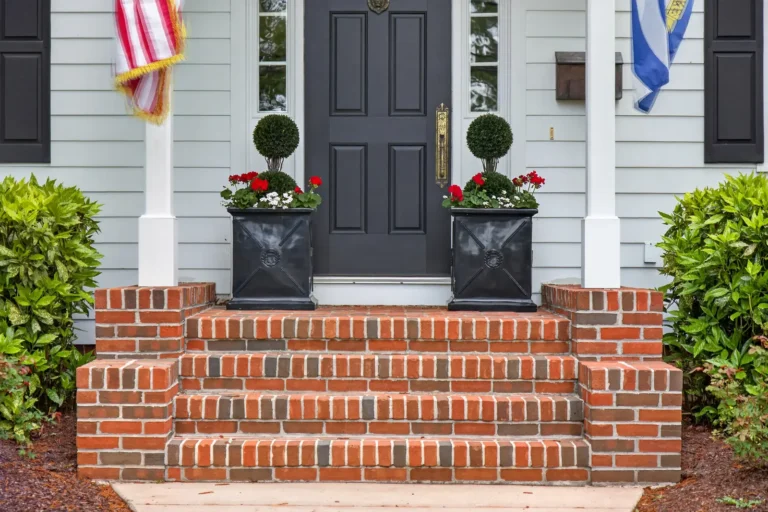
Brick Porches & Steps
Rebuilt, releveled and restored
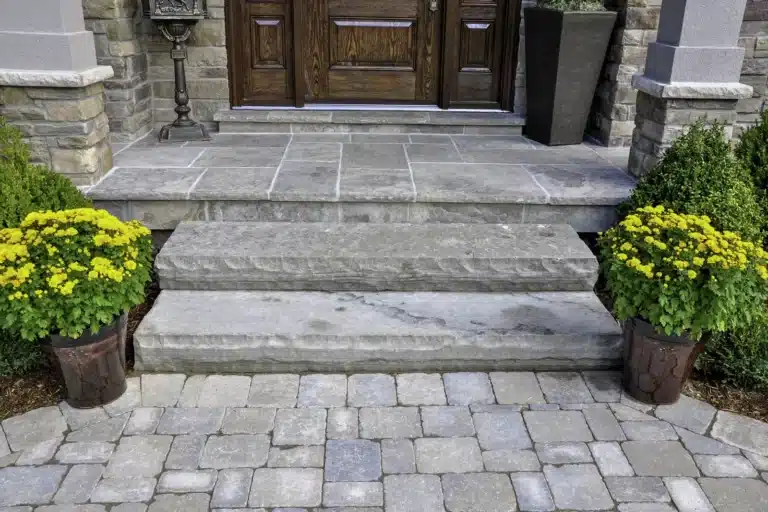
Limestone Steps
Caps, treads and entry steps
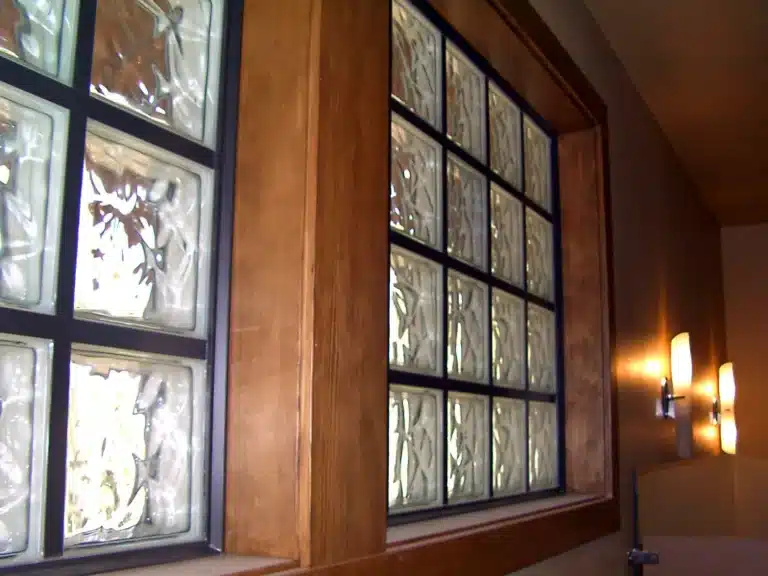
Glass Block
Basement windows and glass block walls
Paver Restoration
Relevel, re-sand, clean and seal
Build New
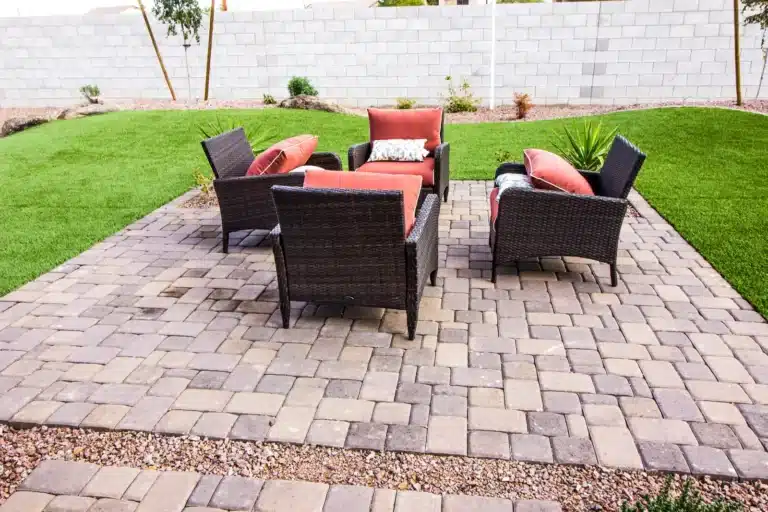
Brick Paving
Paver projects built for freeze-thaw

Brick Driveways
Full driveways, aprons and borders
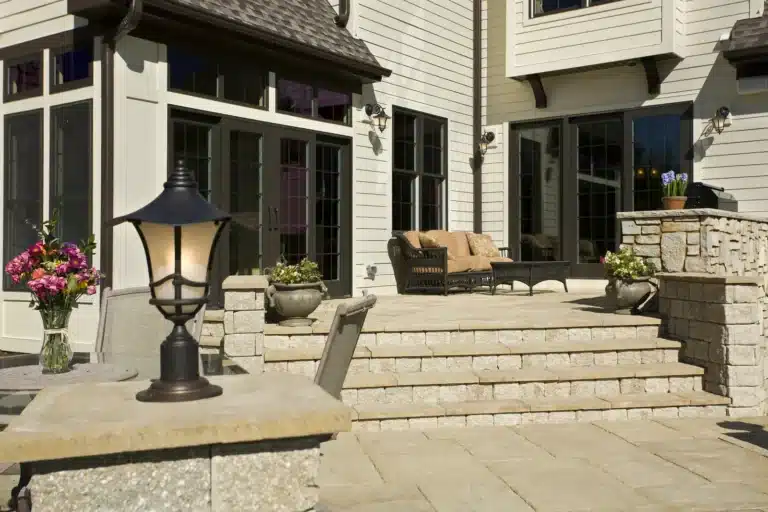
Brick Patios
Patios, seat walls and steps
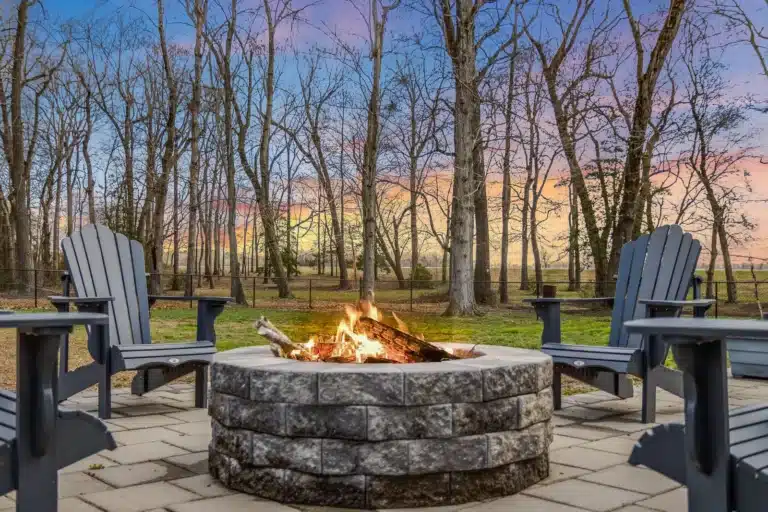
Fire Pits & Hardscapes
Fire pits, kitchens, outdoor living

Retaining Walls
Garden and retaining walls

Bricklaying
New brick walls, steps and additions
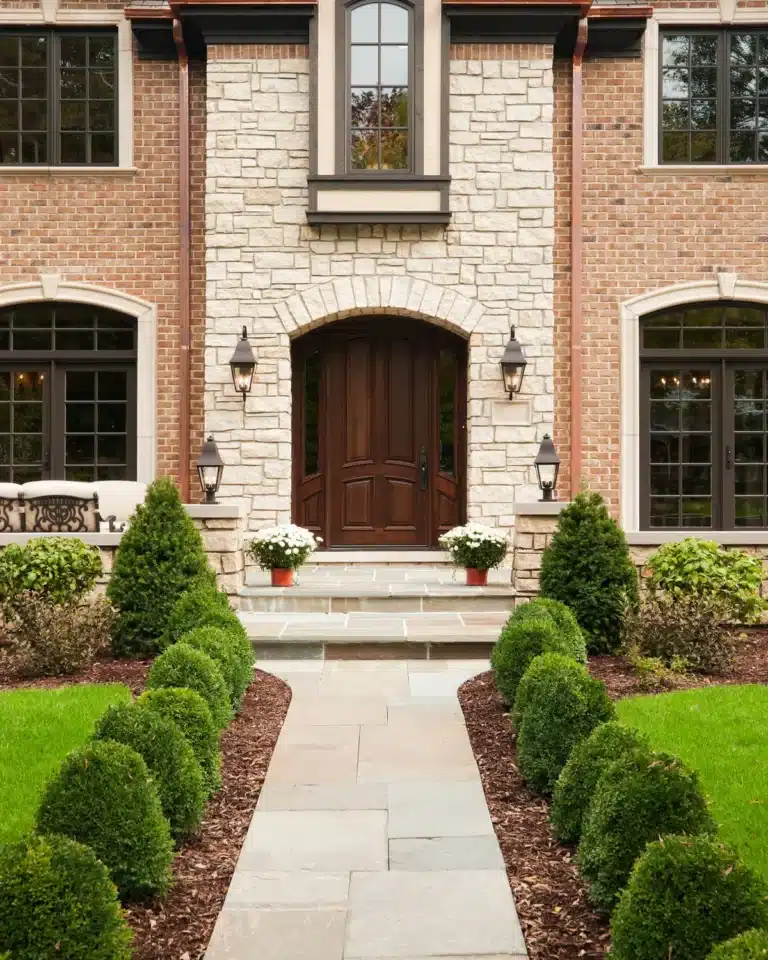
Masonry Contractor
New brick and block construction

Cultured Stone
Stone veneer for walls and fronts
Concrete

Concrete Driveways
New pours, replacements and aprons
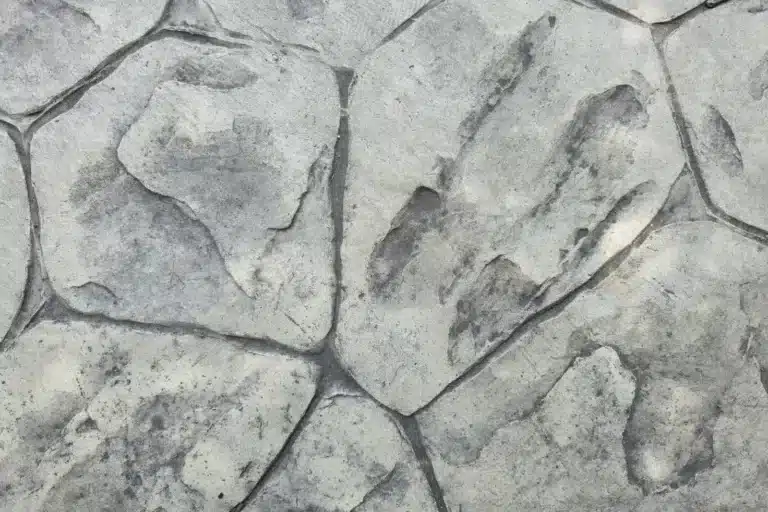
Stamped Concrete
Stone, slate and brick patterns

Decorative Concrete
Color, borders and custom finishes

Exposed Aggregate
Textured, slip-resistant stone finish

Concrete Patios
Patios and backyard slabs

Concrete Porches & Steps
Porches, stoops and steps

Concrete Flatwork
Sidewalks, walkways and slabs

Concrete Restoration
Crack repair, resurfacing and sealing
Financing through Synchrony
Start now, pay over time
Promotional financing for driveways, chimneys, porches, patios and more, so a repair doesn’t have to wait.
- Ask about plans at your free estimate
- Promotional plans on qualifying projects
- Same free, itemized estimate